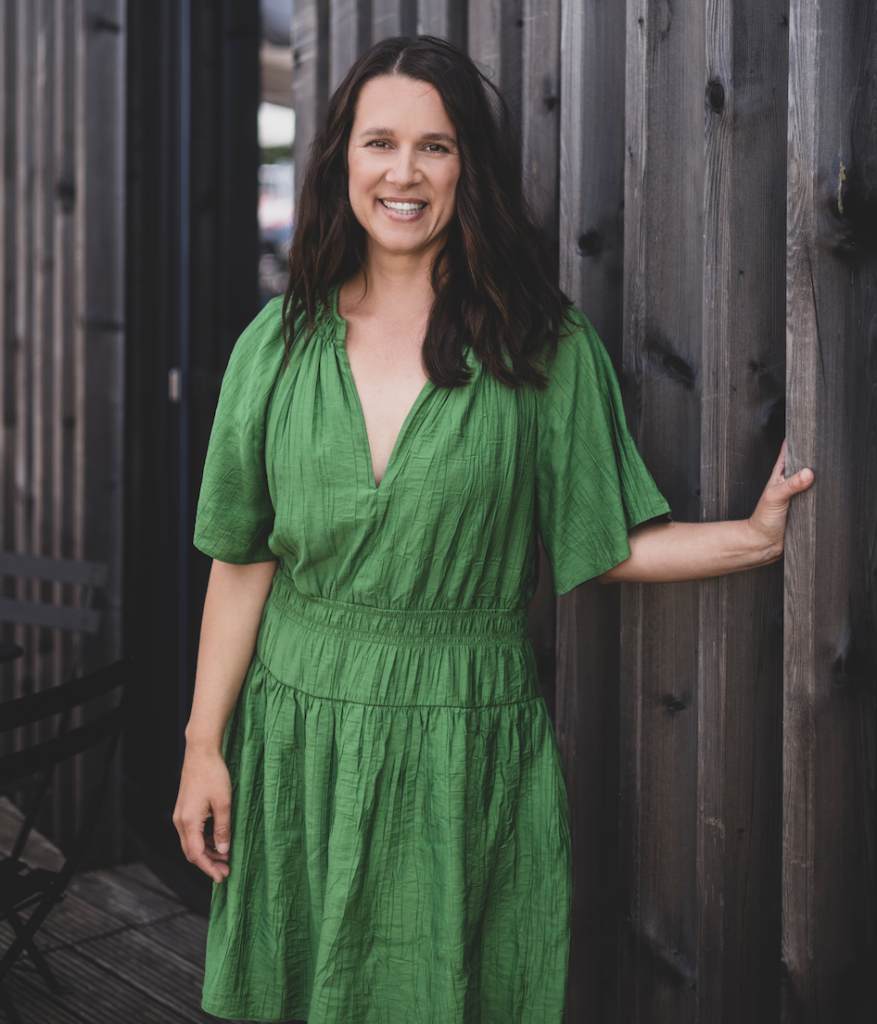
While the summer networking event is in full swing around us, Eva von Ditfurth-Brandt, COO of FEMNA, talks about how, true to their motto “From women for women,” they have developed a platform focused on cycle health. She also shares the challenges they faced due to the sensitive nature of the topic and explains how FEMNA contributes to closing the “gender health gap.”
How would you describe FEMNA in one sentence?
We are the leading therapy and education platform for women’s health.
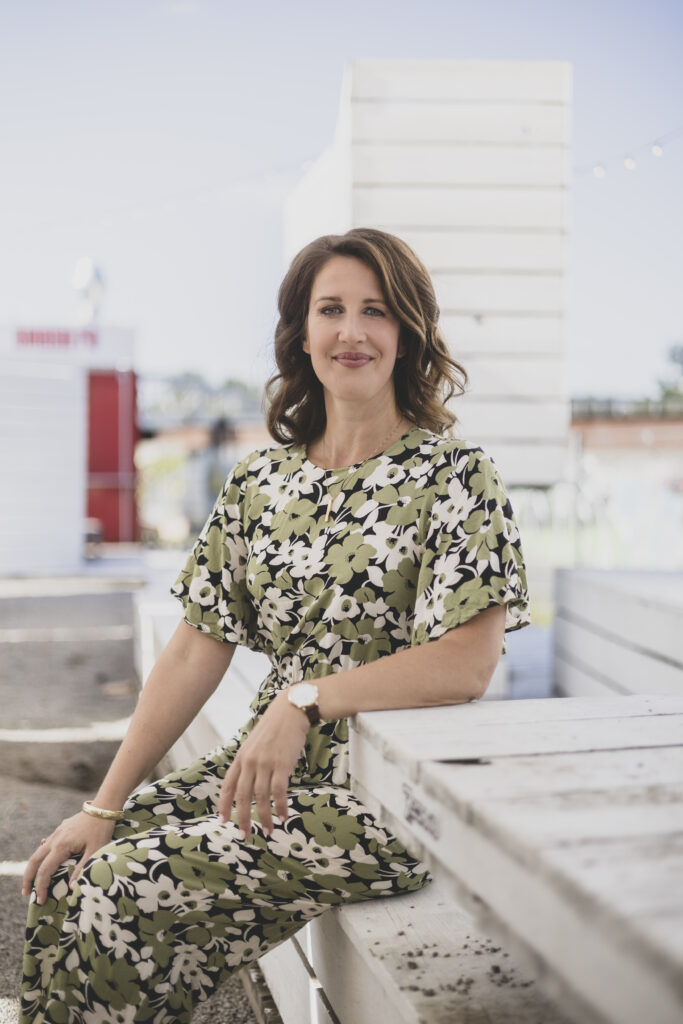
How did the idea for FEMNA come about?
The idea for FEMNA came from the founder Maxie Matthiessen, who had previously founded the company “Ruby Cup,” a sustainable menstrual cup. At Ruby Cup, we sold menstrual cups, but women kept coming to us with many questions about cycle health. Maxie realized that there must be a huge gap here. Knowing that women have numerous questions about their cycle and do not receive enough guidance and support, the idea for FEMNA was born.
What challenges did FEMNA face due to this still rather sensitive topic?
That’s a good question. Despite increasing openness, there are still many taboos around this topic. Women continue to need a safe space or a point of contact where they are truly heard – and that’s exactly what FEMNA provides. We not only offer products and services but have also built a strong community where diverse perspectives on various topics are shared.
You mention the topic of the “Gender Health Gap” on your website. Do you think anything has changed since FEMNA was founded in 2016?
I have the impression that quite a bit has already improved and that the term “Gender Health Gap” has received more attention in recent years. At the beginning of this year, for example, McKinsey published a study titled “Closing the Women’s Health Gap: A $1 Trillion Opportunity to Improve Lives and Economies”, which shows that the topic is gaining importance. It seems that things are slowly starting to move.
Another positive step is that the University Hospital Tübingen received 3.5 million euros to research endometriosis. As part of the ENDO-RELIEF project, therapy will be improved and personalized treatments developed over the next three years to explore the causes of the disease in more depth.
Nevertheless, there is still much to do. For example, when we speak with Charité, which conducts extensive endometriosis research, we repeatedly hear that they are severely underfunded.

What can FEMNA Health contribute?
In women’s health, we want to take on a guiding role by supporting women who suffer from symptoms on their path to a diagnosis. We achieve this through comprehensive education, concrete change offerings, and individual counseling. I am convinced that in this way we can do a lot for women’s health and help them achieve greater well-being.
What advice do you give to young founders who want to help close the Gender Health Gap?
For about two years, we have increasingly focused on the public health sector and are working with health insurers to offer women free services. This area is initially a complex jungle that needs to be navigated. It is worthwhile to engage with many stakeholders early on. Through the BACB network, we have received valuable support in this regard. Good networking is essential to gain information about insurance contracts, required products, and services that are not covered. It is important not to get discouraged and to stay persistent, as the path is long.
In what ways has the BACB particularly supported you?
As mentioned earlier, the network has been a great help for us. In addition to financing and the shared belief in the importance of women’s health, the support in discussions with health insurers was particularly crucial. This support has significantly helped us, and we benefit greatly from it.
What final words would you like to share?
I hope that we can bring the topic of women’s health even more into focus and advance it on various levels — whether in the public health system, in the private sector, through investors, or hopefully also in politics. Many processes, such as promoting research or protecting women with chronic conditions in the workplace, can only be advanced through political will. If we all work together, we can achieve much more.
Thanks you Eva for the exciting interview. We wish the entire FEMNA team all the best for the future and their visions.
More information about FEMNA can be found here: https://femna.de.
Photos: FEMNA Health Text: Mayline Harnisch (BACB)